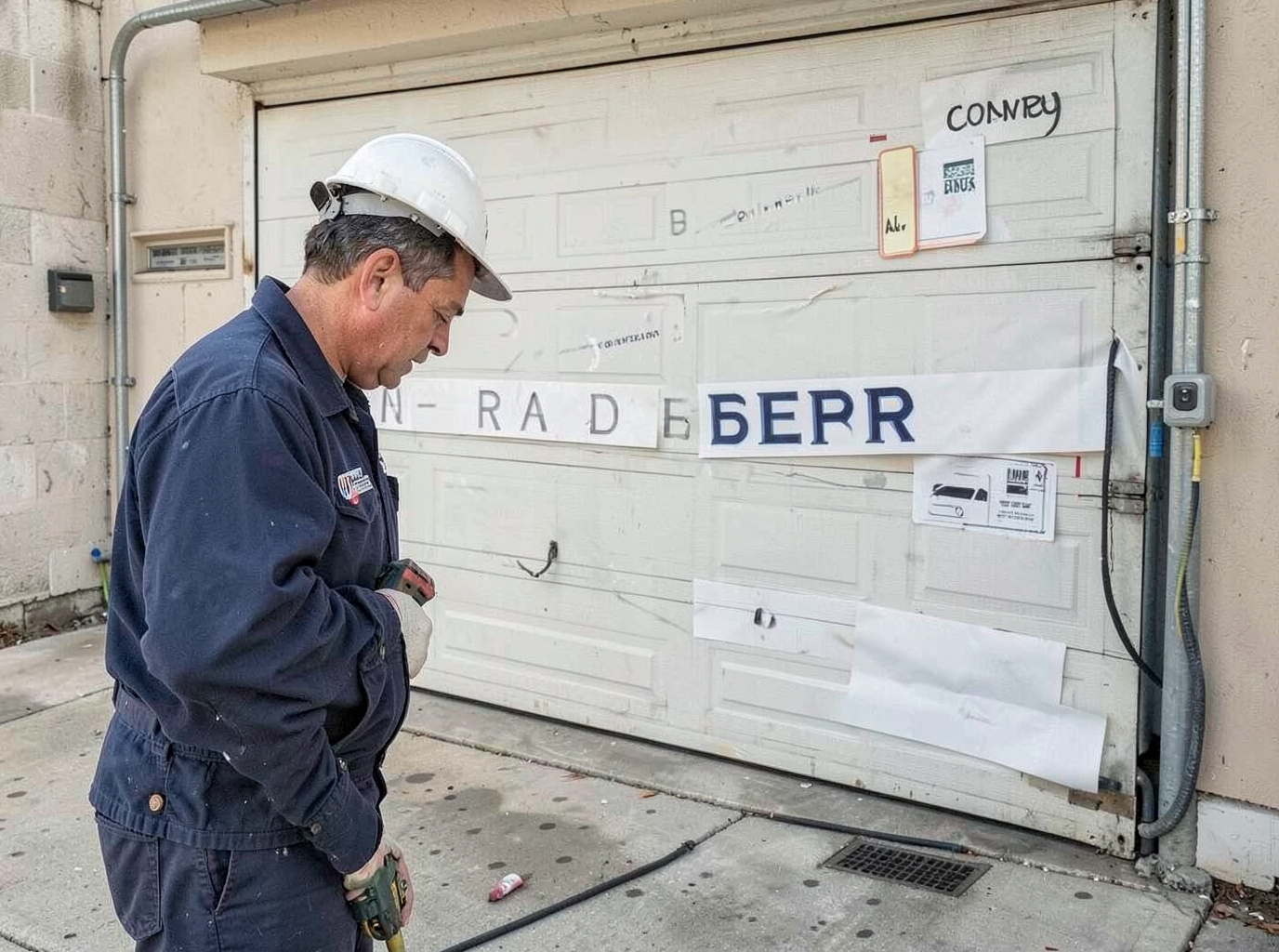
Garage Door Repair San Antonio works out of 10817 Hillpoint Dr in the 78217 ZIP code and serves homeowners across the northeast side who are dealing with a door that grinds, sticks, or won't close all the way. Most calls start with a noise or a door that suddenly feels heavy. We treat that first warning as useful information. Our approach is simple: inspect the whole system, explain what we find in writing, and only then begin the work you approved.
Why Homeowners Choose Garage Door Repair San Antonio
Trust in a repair visit comes down to whether you understand what is being done to your home. Here is what you can expect from us.
Every visit begins with an inspection of the complete door system, not only the part that failed. That means the springs, cables, drums, rollers, hinges, tracks, opener, safety sensors, and the wall brackets they bolt into. A broken roller often hides a track that has shifted, and a worn spring can stress a cable that looks fine from the driveway. We check the whole picture so the repair matches the real cause.
Findings are written down before any work starts. You will see what was found, which parts are affected, what is optional, and what can wait. If you decide not to proceed, that decision is yours, and the notes stay with you. We would rather you choose with full information than feel rushed into a job.
When parts are replaced, we walk you through the old and new components side by side. You can see the wear pattern on a removed spring, compare cable strands, or check a roller bearing. Most homeowners have never looked closely at what keeps their door balanced, and seeing it makes the repair easier to trust.
We are a local shop working on homes across the northeast side. We know the subdivisions where garage doors take a beating, and we keep our service focused so visits stay practical. We also keep notes on each door we service, so the next visit starts from facts rather than guesses.
Why Now Is the Right Time to Look at Your Garage Door
Garage doors in San Antonio work harder than the brochures suggest. Once summer temperatures settle into the upper nineties and the afternoon sun lands squarely on a west- or south-facing door, the steel panels expand and the lubricant on rollers and hinges thins out. Springs are rated for a set number of cycles, and sustained heat speeds the fatigue that eventually snaps them. A door that opened smoothly in April can feel like it is dragging by August.
Clay soils around much of the city shift with wet and dry cycles, and that movement reaches the garage floor and the framing behind the tracks. Tracks that were level when the house was built can drift out of square, pulling rollers sideways and binding the door at the top corner. Left alone, that drag puts extra load on the opener and cables, and a small adjustment turns into a larger replacement.
Spring storms bring their own problems. Hail can dent panels and loosen bottom seals, and wind-driven rain finds gaps in weatherstripping that was never sealed well. Fine caliche grit works into hinge pivots and track channels, which speeds wear on every moving part.
Acting early usually means fewer parts and less disruption. A roller and lubrication visit or a track alignment takes far less time than waiting for a cable to fail with the car parked behind the door. A short inspection now gives you a written list of what is wearing, so you can plan the work instead of reacting to it.
How We Do the Work Properly
A good repair is mostly careful sequencing. Here is how a typical visit runs.
- Inspect the full system. We check spring condition, cable routing and wear, drum alignment, track level and plumb, roller and hinge condition, opener operation, and safety reversal.
- Write the findings. Before touching anything, you receive a written list of what was found, what is urgent, what is optional, and why each item matters.
- Confirm the scope. You decide which items to proceed with. Nothing beyond the approved list is started.
- Replace or adjust. Worn parts come off, and new ones go on with the same spec as the originals. Tension and alignment are set to the door's actual weight, not a generic setting.
- Test the door. We run the door through full cycles, check that it balances at mid-travel, and confirm the auto-reverse works.
- Walk through the parts. You see the old and new components side by side, and we explain what the removed parts showed about wear.
Common Garage Door Problems in San Antonio
Some issues show up on this side of town more often than others. These are the ones we see most often and what to look for.
Torsion Spring Fatigue
Torsion springs carry most of the weight of a typical residential door, and they are rated for a finite number of cycles. Heat speeds that fatigue. Watch for these signs:
- A visible gap in the coil or a spring that looks stretched unevenly
- A door that rises fast and then drops or slams when released
- An opener straining to lift a door that used to feel light
- A loud bang from the header when a spring finally breaks
Replacement should be handled by a trained technician, because spring tension is dangerous to release without proper tools.
Track and Roller Misalignment
Clay soils and settling framing can nudge tracks out of square over time. Look for these signs:
- Rollers that wobble or ride up on one side of the track
- A gap at the top corner of the door when it is closed
- Scrape marks on the jamb or along the track flange
- Hinges that squeak or pop during the lift
Adjusting alignment and replacing worn rollers usually restores smooth travel without new hardware in the main system.
Weatherstripping and Bottom Seal Wear
Sun-baked vinyl hardens and cracks, while dust and grit flatten rubber seals. Common signs include daylight at the bottom corners, water pooling inside after storms, and pests slipping under the door. Replacing the bottom seal and checking side seals keeps the garage sealed and reduces heat transfer into the room behind it.
Frequently Asked Questions and Next Steps
Do you handle a door that is stuck or broken right now? Yes, we can often get to a stuck or broken door quickly, though we won't promise a set arrival window. Stay clear of the door while it is partly open, and don't try to force it.
How do you explain what is wrong? We put the findings in writing before any work starts, including what is urgent, what can wait, and what each option involves.
Can I see the parts you remove? Yes. We walk you through the old and new components side by side, so you can see the wear for yourself.
Why does my door feel stiffer in summer? Heat thins lubrication, softens seals, and accelerates spring fatigue. A stiff door in July often points to a maintenance issue that is easier to fix before it becomes a breakdown.
Should I replace a torsion spring myself? We don't recommend it. Spring tension is high enough to cause serious injury if released improperly, so this is work for a trained technician with the right tools.
Next step: Reach out through the contact details on this page and describe what the door is doing. Tell us when the problem started, whether the opener runs, and whether the door moves evenly. That gives us enough to plan the inspection and set the right visit.
Next step: describe the problem using the contact details on this page, and we will plan an inspection around what you are seeing.
Technician insight
In San Antonio, the thing that catches most people out with garage door maintenance is how fast heat and clay soil wear a door that still looks fine from the street. e often find springs close to their rated cycles on south- and west-facing doors while the north side of the same house is in decent shape. Homeowners tend to wait for a loud noise, but on this side of town a door that is only slow or uneven is already telling you something useful.
Stuck Door on a Hot Summer Evening
A homeowner in the 78217 area called after the door stopped halfway up with a loud bang and the opener kept humming. What we found was a frayed cable at the drum on one side and a torsion spring showing clear fatigue, with the rollers binding slightly in a shifted track. We secured the door, explained the findings and the replacement parts in writing before starting, and replaced the spring and cable. The door now lifts and closes evenly, and the homeowner saw the old parts side by side before we finished.
Emergency Garage Door Repair Services We Offer
✓Garage Door Spring Inspection and Balance Check
We inspect torsion or extension springs for fatigue, check cable condition, and test door balance at mid-travel. You receive written findings before any work starts, including which components need attention and which are still in good shape.
✓Roller and Hinge Lubrication
Heat and dust strip lubricant from rollers, hinges, and bearings. We clean and lubricate the moving parts, check for worn or cracked rollers, and show you which components were replaced and why.
✓Track Alignment and Tightening
Settling framing and clay soil movement can pull tracks out of square. We check level and plumb, tighten mounting brackets, and adjust track alignment so the door travels evenly without binding at the top corners.
✓Weatherstripping and Bottom Seal Replacement
Sun and grit wear down the bottom seal and side weatherstripping. We inspect the seal line, replace worn sections, and confirm the door closes tight enough to keep dust, water, and pests out of the garage.
✓Opener Safety Sensor Check
We test the photo-eye sensors and auto-reverse function, confirm alignment and wiring, and check that the door reverses correctly when it meets resistance. Findings are written down before any adjustments are made.
How it works
- 1
Inspection of the Full System
We check springs, cables, drums, rollers, hinges, tracks, the opener, and the safety sensors. The goal is to find the real cause, not only the symptom you noticed.
- 2
Written Findings Before Work Starts
You receive a written summary of what was found, what is urgent, what can wait, and what each option involves. Nothing is started until you have read it.
- 3
Scope Confirmed by You
You choose which items to proceed with. We do not begin work on anything outside the approved list, and the notes stay with you whatever you decide.
- 4
Careful Replacement or Adjustment
Worn parts are removed and replaced with matching specifications. Spring tension and track alignment are set to the actual weight and travel of your door.
- 5
Walk-Through of Old and New Parts
We show you the removed components beside the new ones and explain what the wear pattern tells us about how the door has been working in San Antonio heat and soil conditions.
Pricing
Findings and scope are written out before any work begins, so you know what is included before you agree to anything.